Join the IBMS
Becoming a member of the IBMS gives you access to the tools, training and networks that help you thrive

Becoming a member of the IBMS gives you access to the tools, training and networks that help you thrive

Wherever you are on your biomedical science journey, find out your best route to registering with the HCPC as a biomedical scientist
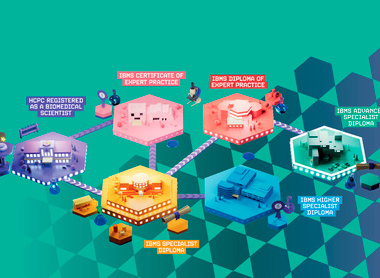
From entry-level to senior roles, IBMS qualifications equip you with the knowledge and skills to advance your career in biomedical science
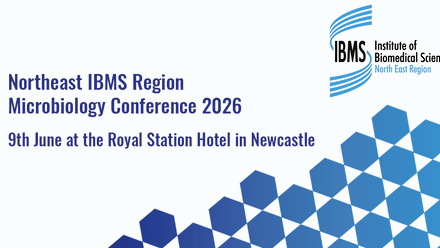
From expert scientific talks and hands-on training to networking sessions and CPD opportunities, discover upcoming events from the IBMS
Find out how many times biomedical science has supported your healthcare
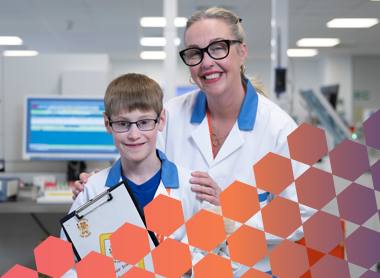
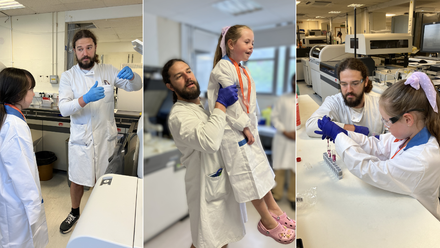
Helping young patients understand their healthcare

Resources designed to inspire future biomedical scientists and raise awareness of the profession




Being a member of the IBMS allows me to access more opportunities. I’m doing a Master’s in medical microbiology and use the CPD portfolio to keep track of all the seminars and lectures I go to. It’s all nice and organised and available if I ever get called by the HCPC. I’ve also done training to become an IBMS Verifier.
At Congress, I gave a presentation to students on being a biomedical scientist in microbiology, which I enjoyed.
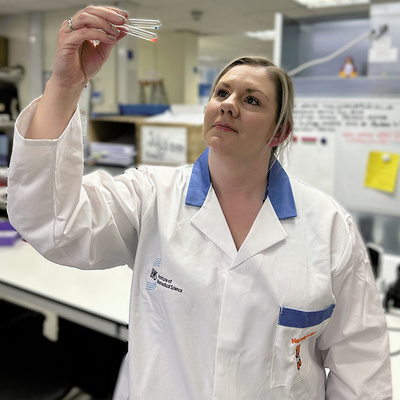
I joined the IBMS for the educational resources. I’ve done the Registration Portfolio, the Specialist Portfolio and the Certificate of Expert Practice. Without these opportunities, I wouldn’t be at the point in my career that I am at today.
As a training lead for my laboratory, I’m now supporting other biomedical scientists to do these qualifications.

Being a member of the IBMS, and getting involved with meetings and building connections, has given me a voice in the profession. It has built my portfolio and CV and made me a credible candidate when I’ve moved up in my career.
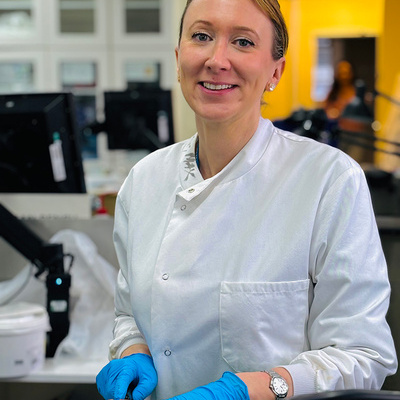
I became an IBMS member because of all the different resources it offers. This includes continuing professional development, educational materials and courses to advance your career. There are also networking opportunities and events, such as Congress.
I think it’s essential that all biomedical scientists become IBMS members and I would recommend joining to everyone.
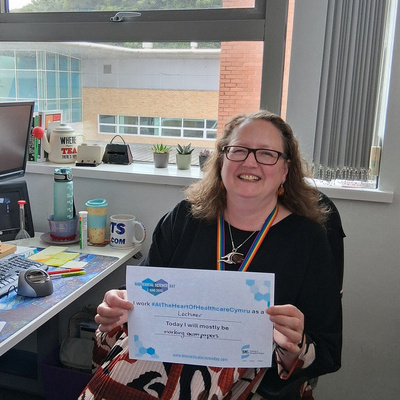
I really love being a member of the IBMS. I joined 30 years ago because I wanted to learn more about the background to my profession, how it functioned and what was available to me. I love the way the IBMS is much more visible now. They make sure our voices are heard with other professional bodies, the public and government.
It has been amazing to see three female IBMS Presidents in succession. It’s really empowering for women in science.
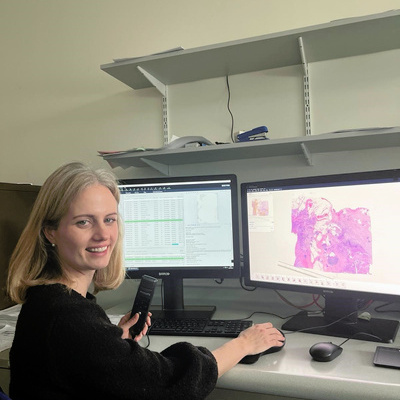
As a member of the IBMS, you’re part of a community. Members have a shared common goal and an understanding of what is important. It provides a network to share your experiences and collaborate with others.

One of the reasons I joined the IBMS was because it gave me access to the Biomedical Scientist magazine. I love reading about all the changes happening in the profession.
Reading the magazine is a great way to see what’s happening in other laboratories and improve what you do in your own.
If you’re not an IBMS member, you don’t get as much of a say in how the profession develops. As a member, you can help shape its future. I have really enjoyed being a verifier and examiner for portfolios. I love to go and look in other people’s labs and see what they’ve been up to. It’s a great way to share ideas and meet others in the profession.
I’ve spoken at Congress, which was a terrifying but very good experience. I’ve joined the Specialist Advisory Panel for biochemistry, which I wouldn’t have even known about if I wasn’t an IBMS member. That’s been really positive.
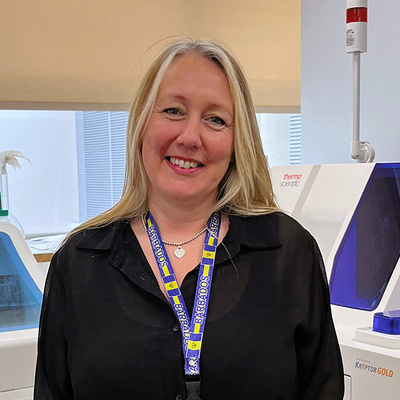
The biggest benefit of IBMS membership for me is Congress. I’m lucky to have attended quite a few times. I feel like a kid at a festival there, running from one band to the next. There’s so much going on and the presentations are top notch.
When our staff go there, they come back to the department with extra enthusiasm and knowledge. Getting reduced prices to various courses is also a great benefit as I manage our department’s training budge