Honouring our communities: why public engagement matters
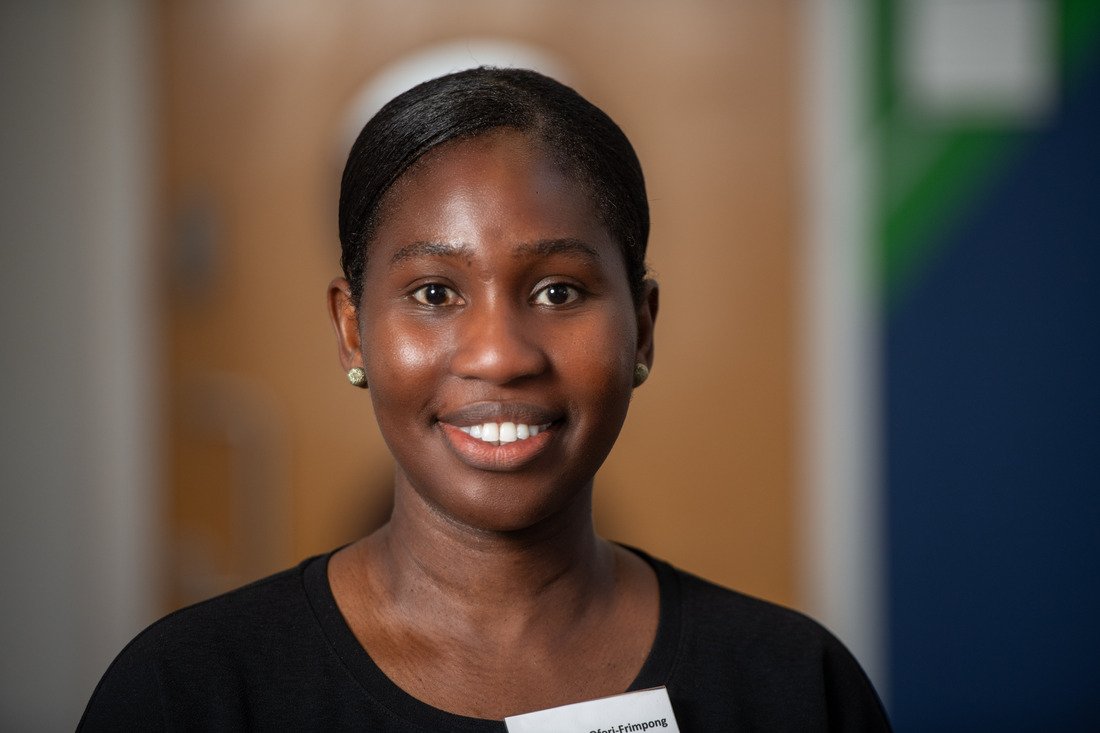
By Dr Boatemaa Ofori-Frimpong FIBMS, FHEA
Public engagement has been a defining part of my career as a biomedical scientist, researcher and lecturer. Alongside my teaching and research roles at Glasgow Caledonian University (GCU), I have been involved in a wide range of outreach, mentoring and STEM activities, including the Glasgow Science Festival, Nuffield Research Placement now known as Research Placement and Experience and I’m a Scientist, Get Me Out of Here.
My motivation comes from my own journey into biomedical science. Growing up in Ghana and later pursuing my academic career in Scotland, I experienced first-hand how access to information, encouragement and role models can influence educational and career aspirations. Many talented young people never consider a future in biomedical science simply because they have never met a scientist who looks like them or understands their experiences. Public engagement gives us the opportunity to change that. For me, it is about opening doors, building confidence and helping people recognise that science belongs to everyone.
A public engagement experience that has stayed with me
One experience that has really stayed with me was exhibiting at the Glasgow Science Festival for the very first time in June 2022, where I developed interactive 2D and 3D craft activities to explain skin structure, diabetes and wound healing to members of the public. This activity attracted considerable interest from children, families and adults with lived experience of diabetes. The activity was subsequently adopted by the Institute of Biomedical Science for wider public engagement use.
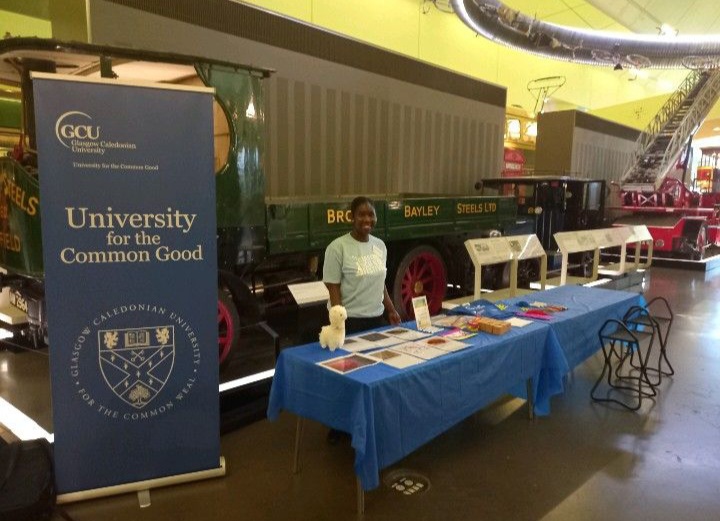
What made this experience memorable was seeing complex biomedical concepts become accessible through conversation and interaction. Members of the public would often begin by saying they knew very little about skin biology or diabetes research, but after engaging with the activity they were asking thoughtful questions about wound healing, prevention and future treatments. Those moments reinforce why public engagement is so valuable. It transforms science from something perceived as distant and technical into something relevant and meaningful.
Why biomedical scientists should engage with communities
Biomedical scientists play a vital role in healthcare, yet much of our work takes place behind the scenes. Patients often see doctors, nurses and other healthcare professionals but may be less aware of the biomedical scientists whose expertise supports diagnosis, monitoring and treatment.
Engaging with communities helps bridge that gap. It improves understanding of biomedical science, increases public trust in healthcare and creates opportunities to discuss topics such as disease prevention, diagnostics, screening and research. Through my work as a Diabetes 2 UK Community champion, public speaker and science festival exhibitor, I have seen how these conversations can empower individuals to make more informed decisions about their health.
Public engagement also benefits biomedical scientists themselves. Listening to the experiences and concerns of patients and communities helps us better understand the real world impact of our work. It encourages us to communicate clearly, reflect on our research priorities and ensure our work addresses issues that matter to the people we serve.
What ‘honouring our communities’ means to me
This year's Black History Month theme, Honouring Our Communities, resonates deeply with me. Communities provide support, encouragement, opportunity and belonging. Throughout my career, I have benefited from mentors, colleagues, educators and professional networks who have supported my development. Honouring our communities means recognising these contributions and giving something back.
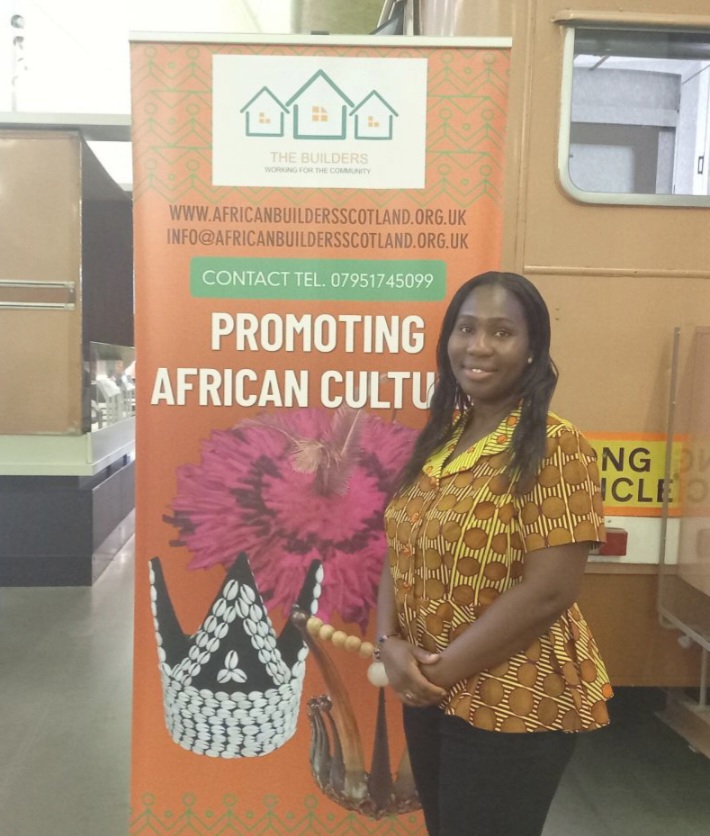
It means creating opportunities for others, particularly those who may face barriers to education, professional development or career progression. My involvement in mentoring programmes such as the BioSci Mentorship Programme, Windsor Fellowship Destination STEMM and B-HUGS Science Experience reflects my commitment to supporting future generations of scientists. For me, honouring communities is not only about celebrating achievements. It is also about listening, supporting and ensuring that everyone feels valued and included within science and healthcare.
Why representation matters
Representation matters because visibility influences aspiration. When young people see individuals from similar backgrounds succeeding in biomedical science, it broadens their perception of what is possible. Within Black communities, representation can help address longstanding disparities in participation within STEM fields. It provides positive role models and demonstrates that biomedical science is a profession in which diverse voices, experiences and perspectives are valued.
As a Black biomedical scientist, lecturer and mentor, I am conscious that I may be the first scientist from a similar background that some students or young people have encountered. Representation alone is not enough, but it can be an important starting point. Combined with mentoring, outreach and inclusive educational practices, it can help create more equitable pathways into the profession. Diverse representation also strengthens the profession itself. Biomedical science serves diverse populations, and a workforce that reflects those communities is better positioned to understand different perspectives, engage effectively with patients and contribute to more inclusive healthcare and research.
Making biomedical science more visible and accessible
Public engagement is one of the most effective ways of making biomedical science visible and accessible. Whether through science festivals, school visits, mentoring, patient involvement events or community talks, engagement activities help people understand how Biomedical Science contributes to health and wellbeing.
Throughout my career, I have sought to create opportunities for meaningful dialogue between scientists and the public. Activities such as the Let’s Talk Diabetes patient and public involvement event, science workshops for school pupils, mentoring programmes and community engagement initiatives allow people to ask questions, share experiences and connect scientific concepts to their everyday lives.
These interactions help demystify both science and scientific careers. They show young people that a career in biomedical science is attainable and help communities appreciate the important contribution biomedical scientists make within healthcare.
Ultimately, public engagement is about building relationships. By engaging openly with our communities, we strengthen trust, inspire future scientists and ensure that biomedical science remains connected to the people it serves. As biomedical scientists, we have a responsibility not only to advance scientific knowledge but also to share it, explain it and use it to make a positive difference in society.
About Boatemaa
Dr Boatemaa Ofori-Frimpong FIBMS, FHEA is a biomedical scientist, researcher and lecturer at Glasgow Caledonian University. Alongside her teaching and research, she is actively involved in public engagement, mentoring and STEM outreach, with a particular interest in making biomedical science more accessible to young people and communities.
Her public engagement work has included the Glasgow Science Festival, Research Placement and Experience, I’m a Scientist, Get Me Out of Here, the BioSci Mentorship Programme, Windsor Fellowship Destination STEMM and B-HUGS Science Experience. She is also a Diabetes UK Community Champion.
Having grown up in Ghana before pursuing her academic career in Scotland, Boatemaa draws on her own experiences to support and encourage future generations of scientists, with a particular focus on representation, mentoring and creating more inclusive pathways into science.