Fellow helps launch genetic test in Scotland
NHS Scotland is the first in the UK to introduce nationwide genetic testing for newborns with suspected infections, to help prevent hearing loss caused by a common antibiotic.
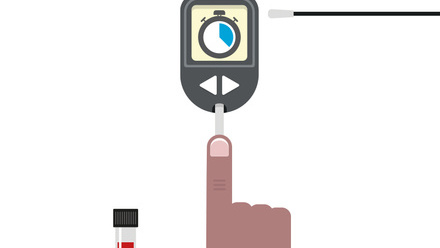
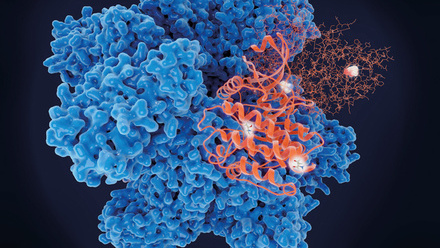
The new test, which uses a simple cheek swab, identifies a specific mitochondrial gene variant that makes some babies vulnerable to permanent hearing damage if they receive the commonly used antibiotic Gentamicin.
While Gentamicin is a highly effective first-line treatment for serious neonatal infections such as sepsis, it can trigger irreversible hearing loss in infants with this genetic sensitivity.
The point-of-care test delivers results in just 26 minutes, enabling clinicians to select the safest antibiotic at the start of treatment. If a baby carries the variant, an alternative but equally effective drug can be used, meaning hearing loss that was once considered a risk of lifesaving treatment can now be prevented entirely.
The rollout began at the Royal Hospital for Children in Glasgow, under NHS Greater Glasgow and Clyde, and will expand across all NHS Scotland Health Boards with neonatal units. Delivered through the Accelerated National Innovation Adoption (ANIA) pathway, the programme reflects the Scottish Government’s commitment to embedding precision medicine into routine care.
Dr Helen McDevitt, Clinical Lead for neonatal pharmacogenomics programme at CfSD and Consultant Neonatologist with NHS Greater Glasgow and Clyde said:
National roll out of this innovative point of care genetic test will prevent deafness in a significant number of susceptible newborn infants each year in Scotland.
Patient care will be improved immeasurably by enhancing the safety of current antibiotic treatments.
It's exciting that Scotland is at the forefront of developing precision medicine from birth onwards.
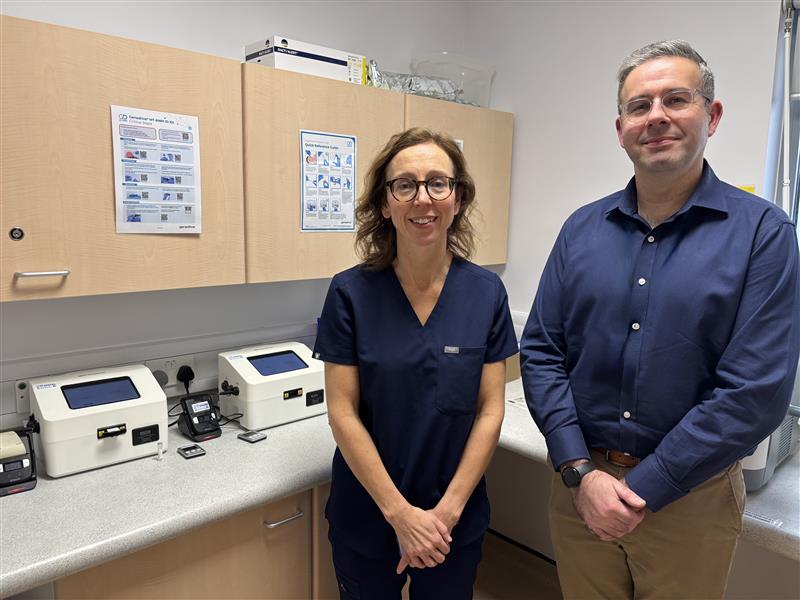
Ryan Cooper, Point-of-Care Testing Lead in National Services Scotland and an IBMS Fellow, has been central to the implementation of this programme. Commenting on the rollout, said:
This simple and gentle test gives us the ability to protect babies from avoidable harm and hearing loss right from the very start of their lives.
This aims to not only safeguard their quality of life but give their families and loved one's peace of mind.
By identifying those at risk within minutes of birth, we can make safer treatment choices and give every child the best chance to grow, learn and thrive without the challenges that hearing loss can bring.
More than 3,000 babies are expected to be tested in the first year alone. By identifying those at risk early, the programme has the potential to prevent a lifetime of hearing impairment, reduce long-term demand on audiology and support services, and significantly improve quality of life for affected families. It also sets an important precedent for the use of rapid genetic testing at the point of care, turning scientific innovation into immediate clinical impact.
Ryan Cooper’s involvement demonstrates the critical role IBMS members play in advancing diagnostics and innovation within the NHS.