IBMS Council member Victoria Bradley reflects on a busy week at the National Eisteddfod and what the IBMS Learning Lab brought to the Maes - Welsh for ‘field’ and the traditional name for the Eisteddfod festival site.
Written by Victoria Bradley
There are few events in Wales that capture the nation's identity quite like the National Eisteddfod. For more than 850 years, it has celebrated the Welsh language, culture, heritage, creativity and community, bringing together people from every corner of Wales and beyond. As Wales' largest cultural festival, the Eisteddfod provides a unique opportunity to engage with the public, celebrate learning and inspire future generations. For me, that is exactly why it is so important that biomedical science has a presence on the Maes. If we want our profession to be visible, accessible and representative of the communities we serve, there is no better place to showcase the vital role of biomedical scientists. Through its presence at the Eisteddfod, the IBMS Learning Lab demonstrates a commitment not only to public engagement and science education, but also to ensuring that biomedical science is accessible to Welsh-speaking communities and firmly part of the national conversation.
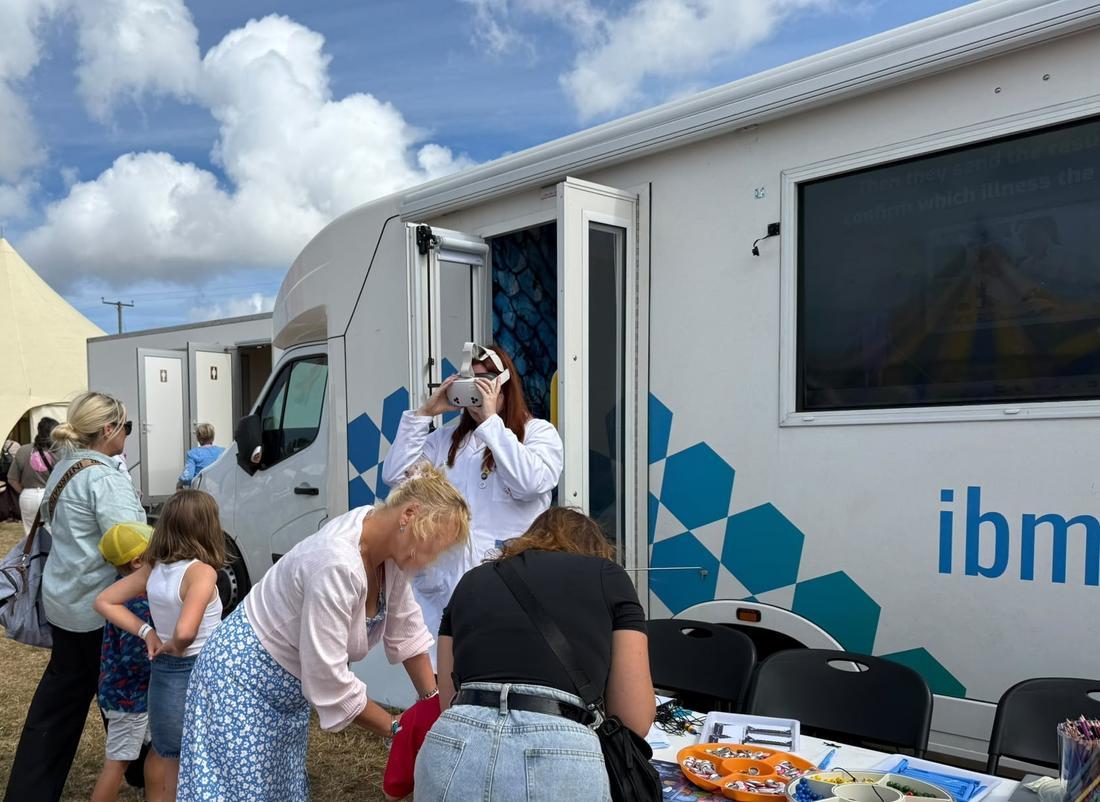
Earlier last month, the IBMS Learning Lab took its place among the hundreds of exhibitors at the National Eisteddfod, welcoming visitors of all ages to discover more about biomedical science. On the first day of the Eisteddfod, I had the privilege of opening the lab, giving me the chance to see the site come to life. I was also there on the final day to see it gradually fall quiet again after a busy week of scientific exploration with visitors.
The success of the Learning Lab relied on an incredible team effort. We were supported by colleagues from across the profession, including biomedical science students, trainees, registered biomedical scientists, senior practitioners, laboratory managers and service managers. Each person brought their own expertise and enthusiasm, and together they helped showcase not only what biomedical scientists do, but also the wide range of career opportunities available within the profession.
One of the greatest joys of the week was watching visitors engage with the activities. The Learning Lab was constantly busy, with families, school pupils, teachers and curious festival-goers stopping by to learn more about the science at the heart of healthcare.
Without question, two of the biggest hits were the DNA bead bracelets and the Welsh-language comics. The bracelet activity drew people in from across the site, with visitors enjoying the chance to create colourful DNA sequences while learning about genetics and inheritance. It was a brilliant example of how a simple hands-on activity can spark meaningful conversations about science.
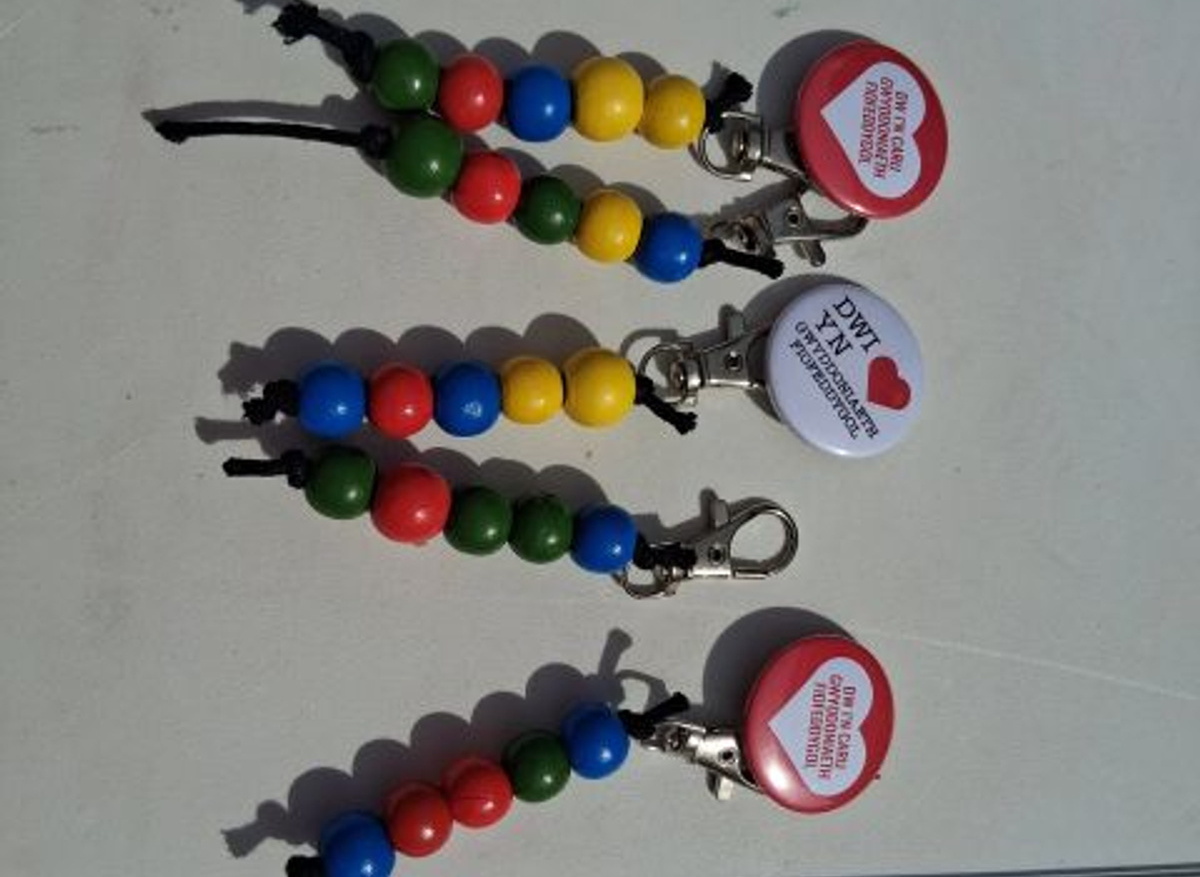
breichledau glain DNA
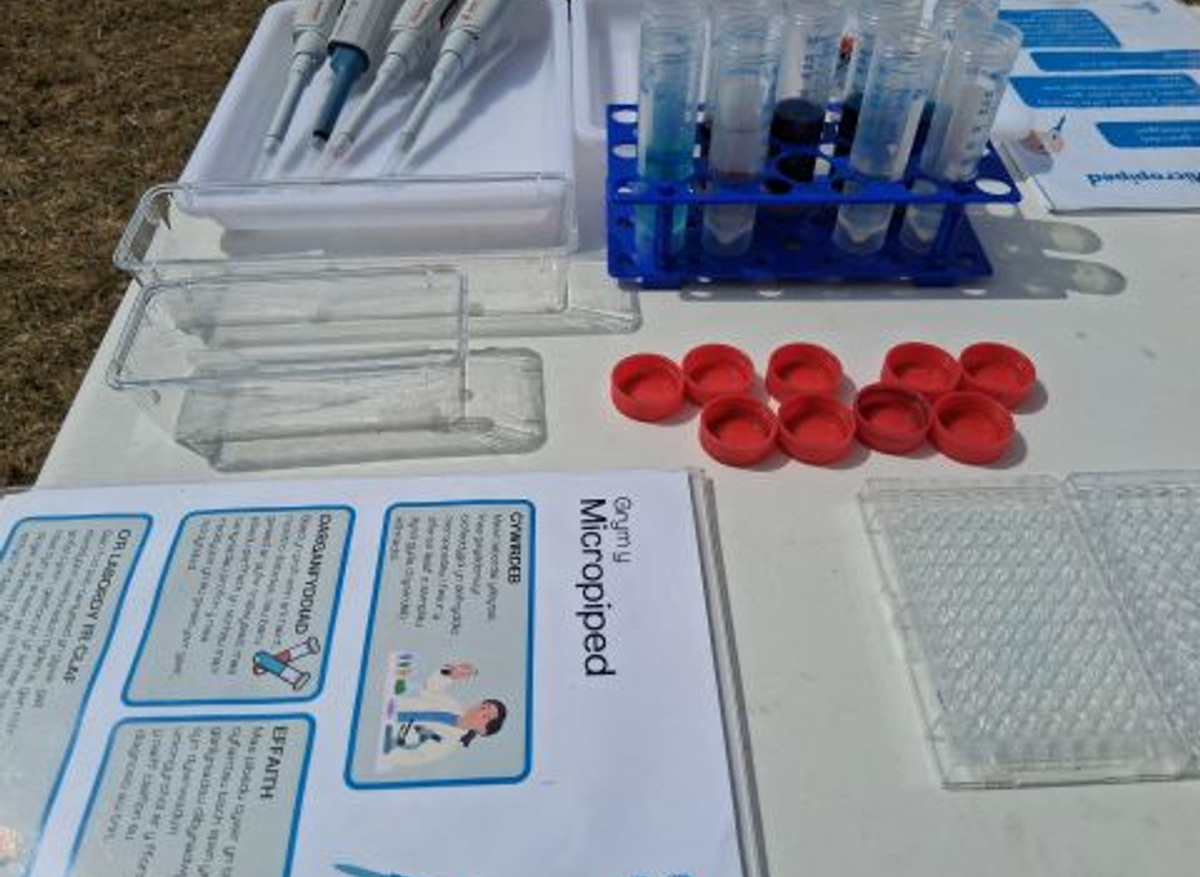
Micropiped
The Welsh-language comics, Superlab and Harvey's Lab Tours: Blood Detectives, were equally popular. It was wonderful to see children immediately picking them up and starting to read, while parents and teachers commented on how valuable it was to have biomedical science resources available in both English and Welsh. The demand for the comics throughout the week highlighted the importance of providing engaging scientific resources that reflect Welsh language and culture.
What stood out most, however, was the genuine curiosity of visitors. Whether discussing blood, cellular, genetic or infection sciences, or careers in pathology laboratories, people were keen to learn more about the science that underpins modern healthcare. Many were surprised to discover just how much of patient diagnosis and treatment depends on the work of biomedical scientists behind the scenes.
As I locked up the Learning Lab for the final time at the end of the week, I reflected on what had been achieved. We had introduced thousands of people to biomedical science, inspired future scientists, celebrated the Welsh language and demonstrated the value of public engagement. Most importantly, we showed that biomedical science has a place at the heart of Welsh culture and community.
None of this would have been possible without the incredible volunteers who gave their time, energy and enthusiasm throughout the week. From students taking their first steps into the profession to service managers, every volunteer played a vital role in making the Learning Lab such a success. Whether answering questions, supporting activities, sharing career experiences or helping with the countless practical tasks that keep a busy stand running, their commitment ensured that thousands of visitors left with a better understanding of biomedical science. To each and every one of them, thank you. Your passion for the profession shone through in every conversation and activity, and the success of the Learning Lab at this year's National Eisteddfod is a direct result of your dedication.
The National Eisteddfod is about bringing people together through learning and shared experiences. For one week on the Maes, the IBMS Learning Lab became part of that story, and I am already looking forward to doing it all again next year.
The IBMS would like to thank Victoria for taking the time to share her reflections, and all of the volunteers who helped make the Learning Lab at this year’s National Eisteddfod such a success.
To read the article in Welsh, click here.