For Lynne Taylor, that journey has taken her from leading a histopathology team in the laboratory to supporting education and workforce development on a national scale. As Education & Training Manager for NHS Lothian and Chair of the IBMS Scotland Training Forum, she now plays a key role in supporting education, training and workforce development across Scotland.
Looking back to 2017, what was your role then, and how has it evolved into the role you hold today?
It feels like a long time ago, but in 2017 I was working as a Biomedical Scientist Team Lead in Histopathology, analysing and validating a wide range of routine and specialist diagnostic investigations. I specialised in Mohs surgery and have been an active UK NEQAS CPT assessor since the scheme was established.
Alongside my technical role, I also led education and training within the laboratory. This responsibility allowed me to develop my expertise and ultimately transition into the Education & Training team, fuelling my passion for workforce development and lifelong learning.
From your perspective, how has the biomedical science profession changed over the past decade?
Biomedical science has undergone significant transformation over the past decade, driven by advances in technology, changes in healthcare delivery and evolving workforce expectations. Diagnostic laboratories are now far more automated and digitally enabled, with molecular diagnostics, genomics and digital pathology becoming increasingly routine. Biomedical scientists have had to adapt quickly, developing new skills to support faster and more accurate diagnosis. There has also been a shift towards greater clinical integration, with biomedical scientists playing a more visible role in patient pathways. Advanced and consultant practice roles have expanded, strengthening both clinical leadership and professional recognition. Education and training routes have also diversified, with the growth of apprenticeship pathways and structured development programmes alongside a stronger emphasis on lifelong learning. The COVID-19 pandemic further highlighted the essential contribution of biomedical scientists and accelerated service transformation that continues to shape the profession today.
What has been the most significant change in your specific area of practice during that time?
In education and training, one of the most significant change I see has been the move towards greater flexibility, competence-based progression and clearer career pathways.
Education and training frameworks have evolved to reflect increasing service complexity and workforce pressures. The IBMS has expanded its post-registration qualifications, supporting progression into specialist, advanced and consultant practice while aligning learning more closely with service needs.
Training routes have also diversified, particularly through the growth of apprenticeships and clearer alignment with HCPC registration requirements. At the same time, the delivery of education has modernised, with blended and digital learning now embedded within practice. This has created greater opportunities for professional development while maintaining high standards through robust education frameworks and quality assurance processes.
In what ways has your work contributed to patient care over the last 10 years?
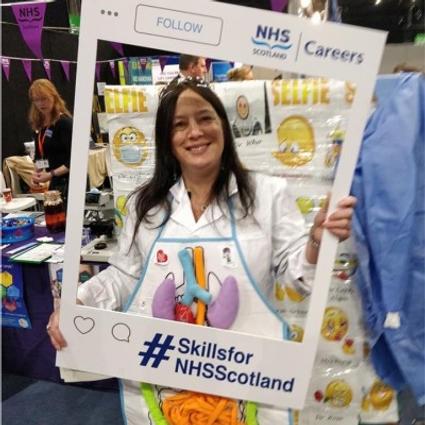
Over the past decade, my contribution to patient care has largely been through supporting and developing the biomedical science workforce. Working alongside many experienced and dedicated colleagues, I have been involved in education and training at both local and national level, helping to ensure staff feel competent, supported and confident in their practice.
This contributes to consistent quality standards and supports the delivery of safe, timely and reliable diagnostic services.
Through involvement in training approvals, professional networks and workforce engagement, I have been fortunate to support the continued development of services that ultimately benefit patients across Scotland and beyond.
What achievement or moment in your career so far are you most proud of, and why?
There have been many moments throughout my career that make me proud, not only of my own contribution but of the teams and collaborations I have been part of.
One standout achievement has been being elected Chair of the IBMS Scotland Training Forum. Moving from representing my own NHS Board to being voted into a national leadership role was both a significant and humbling moment.
Working alongside colleagues from across Scotland to share best practice, support one another, drive positive change and address workforce and training challenges is something I value greatly. Being part of that collective effort to strengthen education and training across the profession is a source of real pride.
Lynne's career reflects how biomedical science has evolved over the past decade. While technology and diagnostic services have advanced rapidly, there has also been a growing focus on supporting the people behind them.
Her experience highlights the important role education and training play in patient care. By helping biomedical scientists develop their skills and progress in their careers, she is supporting a workforce that can meet the changing needs of modern healthcare.