Staff Spotlight: Sallyann Ridsdale
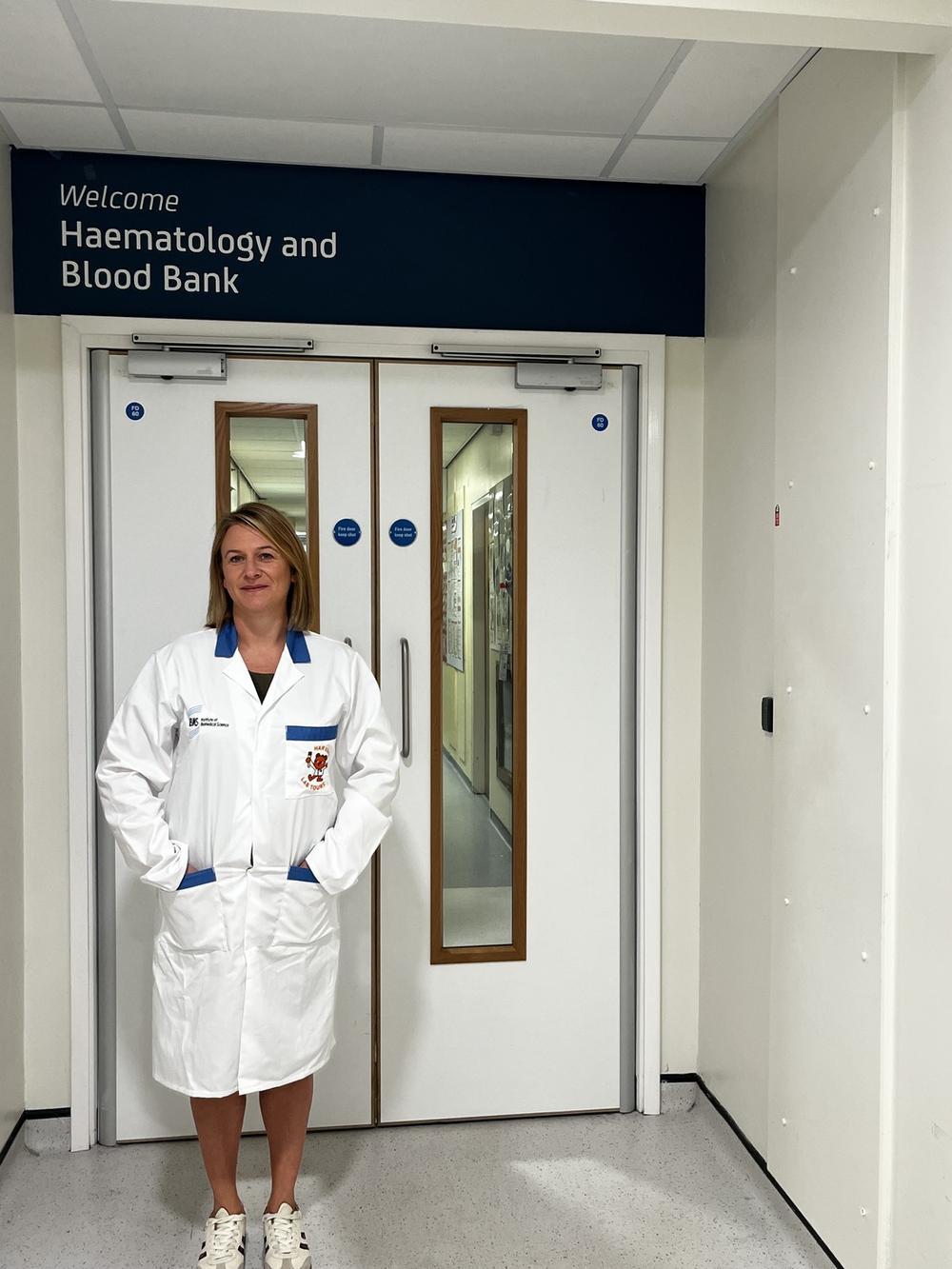
Sallyann Ridsdale is Haematology Service Lead at Sheffield Children’s Hospital, part of the South Yorkshire and Bassetlaw Pathology Network. Her team began running Harvey’s Lab Tours in 2025.
Getting started
How did you approach planning your first Harvey’s Lab Tour?
We had been keen to start the tours for some time. Following discussions within the department, everyone agreed it would be a great initiative to introduce. Our first step was to complete a risk assessment, considering any potential health and safety risks as well as patient confidentiality issues associated with children and families visiting the laboratory. We created a generic email account for use with Harvey’s tour bookings.
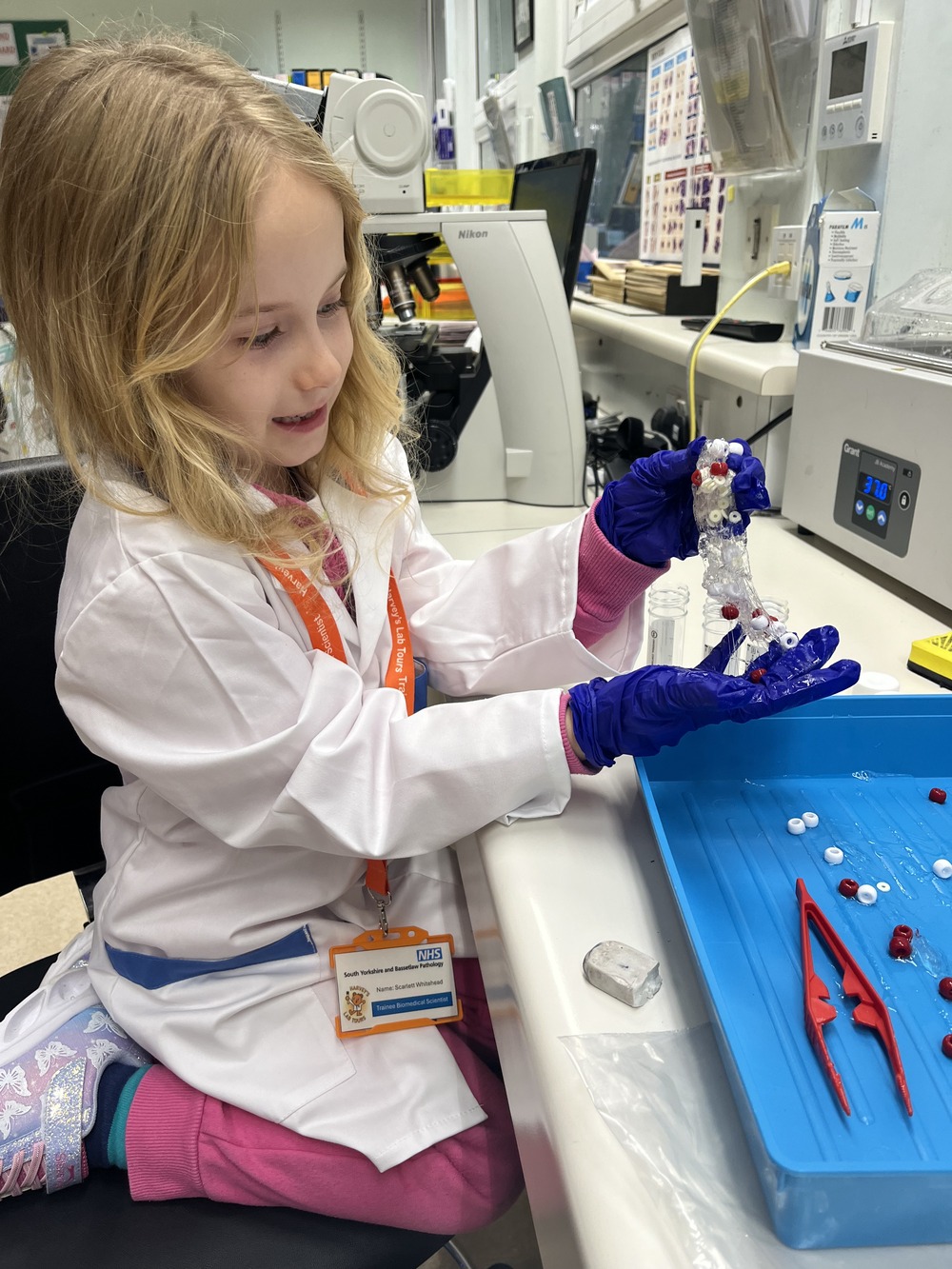
Several staff members were particularly enthusiastic about getting involved, so we worked together to develop ideas for activities and plan the structure of the tour. We also approached the hospital charity to see if they would support the purchase of materials, such as glue and slime activator, for our blood clotting activity.
What makes a good lab tour?
What do you think makes a good lab tour for a young patient?
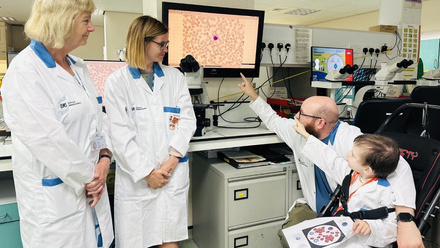
Having staff who are enthusiastic and engaging with the children makes a huge difference. As a manager, it has been incredibly rewarding to see the positive effect the tours have not only on patients but also on our staff.
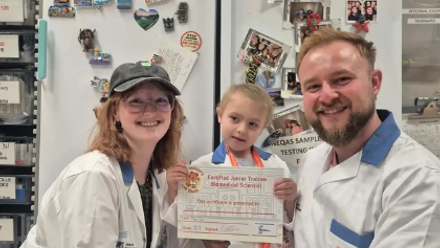
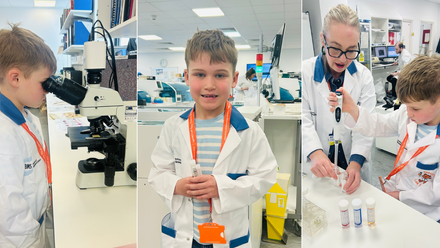
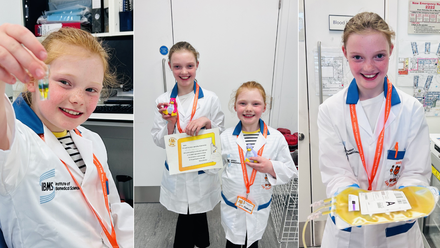
Many patients have told us they are excited to take their lab coat, lanyard and certificate to school for show-and-tell, so they can share their experience of being a junior scientist with their friends. Seeing that sense of pride and excitement is really special.
One particularly memorable experience came after we were contacted by the hospital’s science teacher. She was teaching a patient who had heard about the tours and was eager to visit because of her interest in biology. It was wonderful to hear her confidently talking about the different types of white blood cells during the tour.
Teamwork behind the scenes
How important are teamwork and preparation when delivering a tour?
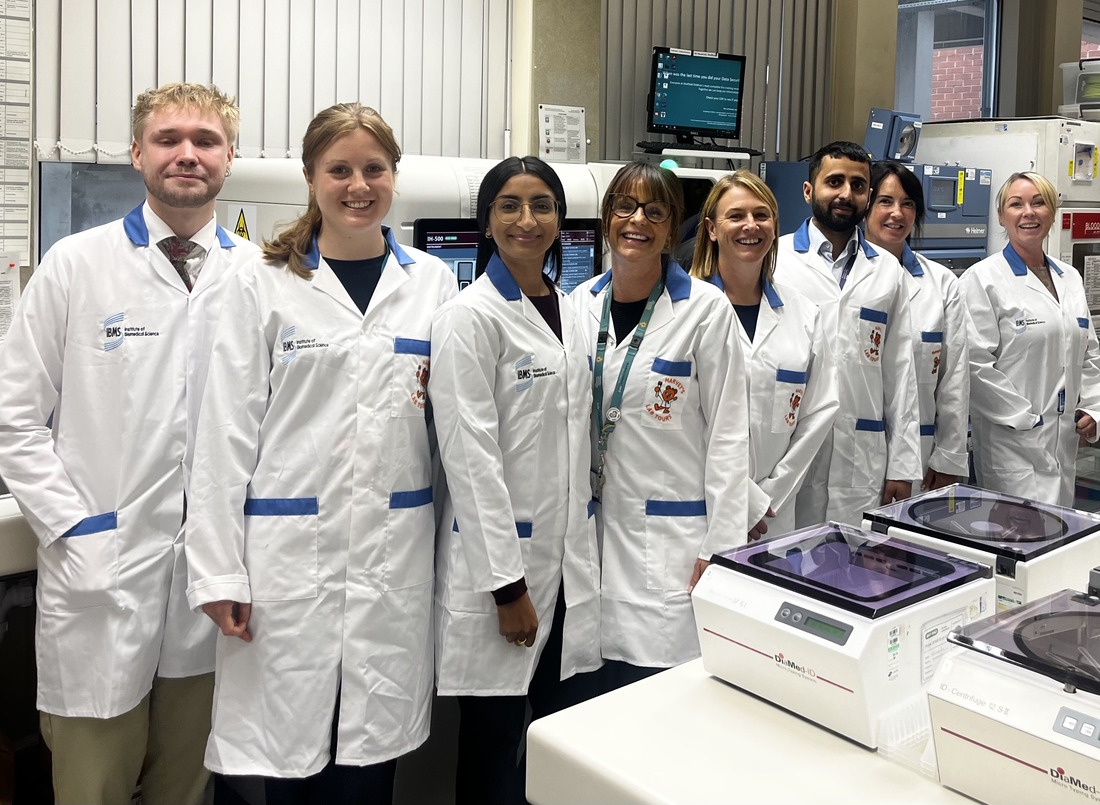
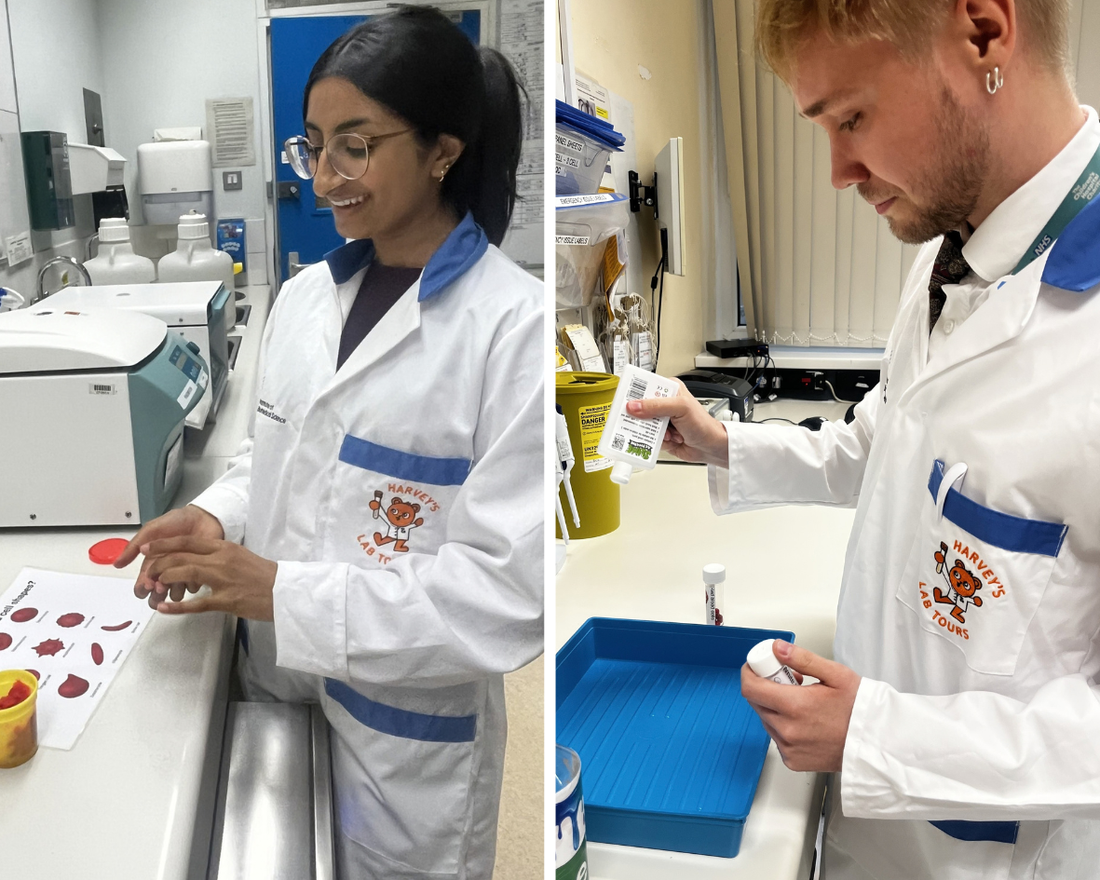
Teamwork is essential. We try to involve as many people as possible in the tours, and everyone brings something different to the experience. Our trainee Biomedical Scientists (BMSs), particularly those on their university placement year, often come up with fantastic new ideas for activities and ways to engage patients.
Support from clinical teams is also invaluable in helping us identify children who may benefit from a visit and ensuring the experience is tailored to their needs.
We use a checklist before each visit to ensure everything is ready, including merchandise, confidentiality considerations and safety checks. This helps us ensure every tour runs smoothly and safely.
We also arrange photography consent forms where appropriate and coordinate staff availability. Typically, we have one colleague introducing Haematology, another covering Blood Transfusion, and a third supporting activities or taking photographs throughout the tour.
Overcoming early challenges
What challenges did you face getting started, and how did you overcome them?
One of our biggest challenges was raising awareness of the tours within the hospital. We initially struggled to get information shared through internal communications channels, so we created posters instead.
At the same time, we wanted to avoid overwhelming ourselves with too many requests while we were establishing the programme, so we focused our promotion within the Haematology outpatient department.
Another challenge was receiving requests from patients who were only in hospital for a short stay. In some cases, we unfortunately couldn’t organise a tour before they were discharged, which highlighted the importance of having a communication channel.
Seeing the impact
What has been the most rewarding part of getting involved?
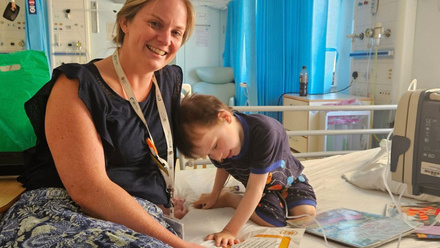
As a department, we’ve always understood the role we play in supporting the treatment of children within the hospital. However, the tours have given us the opportunity to meet some of the patients whose samples we regularly process.
The experience has provided both patients and their families with a valuable understanding of what happens to a blood sample after it leaves the ward, helping them feel more connected to the people and processes involved in their care.
One of the most rewarding aspects has been hearing about the impact the tours have on our patients. We send feedback forms to parents following every visit, which helps us identify opportunities for improvement but also allows us to understand the difference the experience has made. We’ve received some truly lovely comments, which, when fed back to staff, provide a huge sense of fulfilment.
We’ve also been fortunate to support children attending tours at another hospital within the South Yorkshire and Bassetlaw Pathology Network by providing merchandise and resources.
A particularly proud moment was being shortlisted for the IBMS Harvey’s Lab Tour of the Year Award. It was fantastic recognition of all the hard work that goes into delivering the tours. Although we didn’t win, it was an amazing experience to travel to London for the awards ceremony and meet Malcolm Robinson.
Start simple
What advice would you give to other laboratories thinking of starting their own tour?
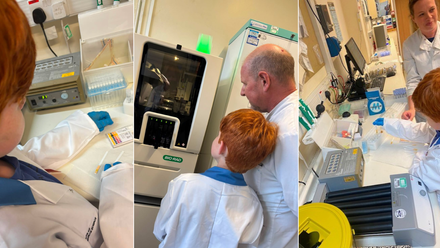
Start simple. Sometimes patients are just as excited to see the analysers and their moving robotic arms as they are about organised activities. You don’t need a long list of activities to create a memorable experience; a couple of simple, engaging activities can be enough.
It’s also important to adapt the tour to the age of the child. Younger children often enjoy the playdough red blood cell activity, while older children are more interested in activities such as working out compatible blood groups. One activity that is always popular, regardless of age, is making slime to demonstrate clot formation.
Keep an eye on your merchandise stock levels. We have a set of lab coats that are used during tours and washed afterwards, as well as coats that patients can keep. The IBMS is incredibly supportive and very helpful when we need additional merchandise supplies.
Finally, have fun! It’s one of the most enjoyable things I am involved with as a Biomedical Scientist. Some of these patients could be our future Biomedical Scientists.
A huge thank you to Sallyann for sharing her experience and practical advice, and to the team at Sheffield Children’s Hospital for continuing to make Harvey’s Lab Tours such a positive experience for young patients and their families.
Do you have a story to share from your Harvey’s Lab Tour?
We’re always keen to hear about lab visits and experiences. If you’d like to share your story, please get in touch at [email protected]